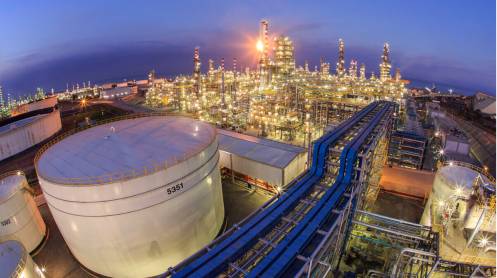
KARACHI: The Special Investment Facilitation Council (SIFC) has placed brownfield refinery upgradation at the top of its agenda to modernise Pakistan’s existing refining infrastructure, assuring refinery management of full support in removing bottlenecks hampering these projects.
SIFC officials conveyed the message during a meeting with refinery executives to review the implementation status of ongoing brownfield upgradation projects and associated issues. The council also directed the Petroleum Division to hold a dedicated meeting with refineries on refining policy and upgradation matters on Thursday (today). The meeting will be attended by senior officials from the Petroleum Division, the Oil and Gas Regulatory Authority (Ogra) and the top management of all refineries.
Despite policy intent, refinery modernisation projects remain stalled due to a prolonged dispute over sales tax on petroleum products, compounded by the International Monetary Fund’s (IMF) opposition to reversing recent tax exemptions. Industry stakeholders warn that the uncertainty has rendered large-scale investments financially unviable, threatening the country’s long-planned refinery upgrade programme.
The impasse emerged after key fuels—petrol, high-speed diesel, kerosene and light diesel oil—were shifted from zero-rated status to sales tax exemption under recent fiscal measures. While aimed at protecting consumers from price hikes, the move has prevented refineries from claiming input sales tax on imported machinery, equipment and services, significantly raising capital and operating costs.
To resolve the issue, the government proposed reintroducing sales tax at a reduced rate, enabling refineries to adjust input taxes without materially impacting consumer prices. However, the IMF has opposed the proposal, arguing that reduced rates undermine revenue mobilisation and complicate tax administration, and has instead pushed for application of the full standard rate.
Industry sources said the ongoing uncertainty has effectively frozen investment decisions, with several refineries delaying financial close and procurement. Without timely upgrades, refineries may struggle to meet future fuel quality and environmental standards, increasing dependence on imported refined fuels and putting additional pressure on foreign exchange reserves.
Story by Tanveer Malik